Pricing and Monetization
Why a pricing change takes months: moving existing customers is the hard part
Deciding on new pricing takes weeks. Moving existing customers, systems and contracts takes months. A plan for grandfathering, migration and what to measure.
Jana Schuster · October 6, 2026 · 3 min read
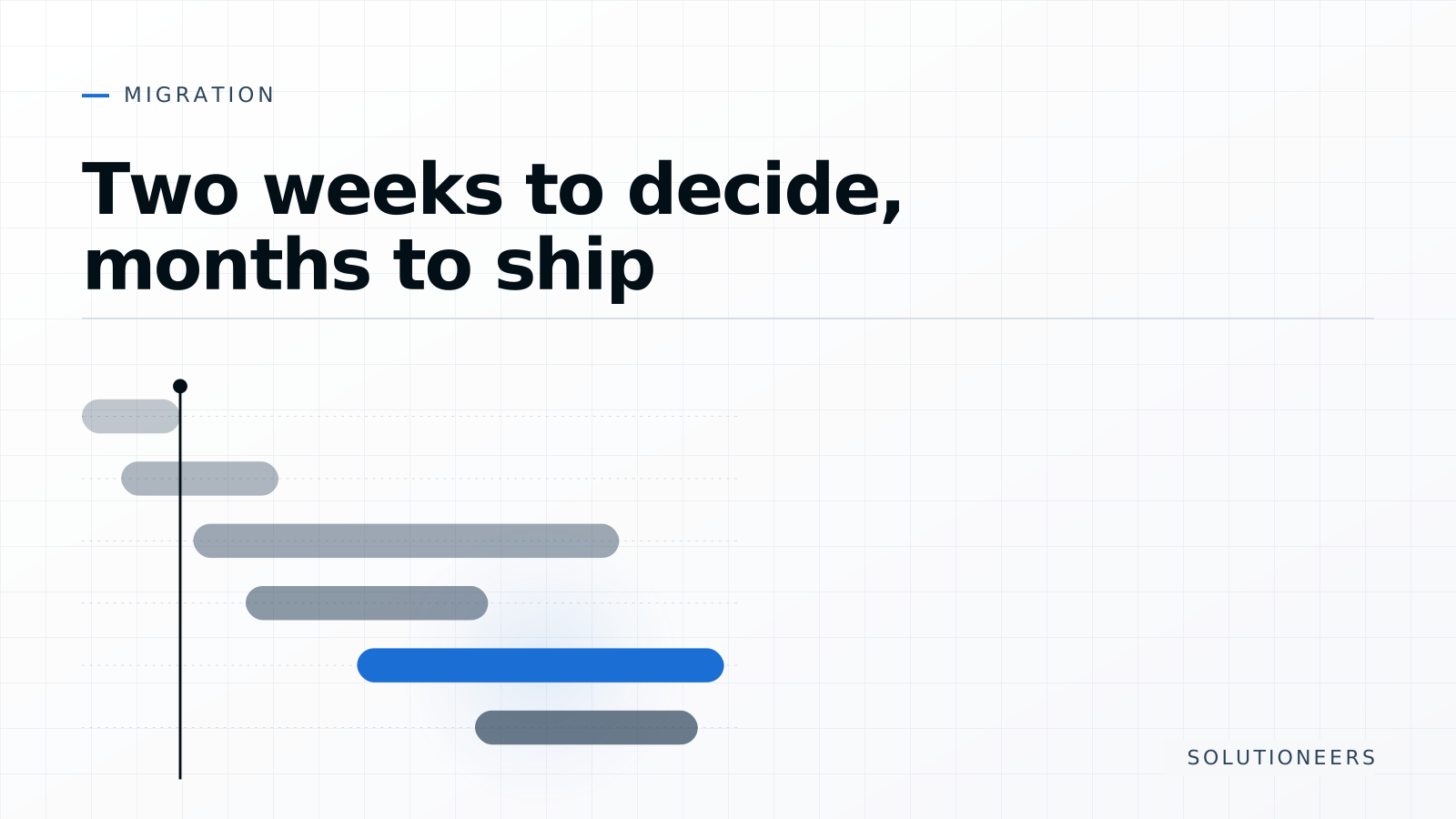
Most pricing projects are scoped as an analysis: pick a metric, set the tiers, publish the page. The people we have talked with describe a different timeline. One product leader at a software company told us the business decision takes a couple of weeks, while the systems changes take months. A former pricing leader at a large software company told us a change to one SKU took about six months, mostly because of legacy customers and migrations.
In text: Business decision: about 2 weeks. One SKU, end to end: about 6 months.
A survey by Nalpeiron, a vendor of software monetization tools, reported that 52% of companies had delayed, scrapped or held back a pricing change because of billing and metering infrastructure. Treat that figure as directional, since it comes from a vendor survey.
Where the time goes
- Entitlements and provisioning. The product has to know who gets what under the new plans.
- Billing and metering. Invoices must calculate the new model correctly, including usage that is measured differently than before.
- Quotes and CRM. Sales needs new SKUs, discount rules and approvals.
- Contracts. Existing agreements may include renewal caps, price protection or multi-year terms.
- People. Sales, support and customer success have to be trained, and exceptions need an owner.
Decisions to make before launch
- Who moves, and when. Options are moving everyone at renewal, moving new customers only, or offering an incentive to move early.
- What grandfathering costs. Customers who stay on the old model need billing, support and reporting for it. Set a sunset date.
- How exceptions are handled. Agree in advance on who can approve a custom deal and what the limits are.
- Which numbers define success. Track the share of customers migrated, churn and downgrades among migrated customers compared with those who stayed, revenue per customer before and after, and the number of exceptions.
Sequencing that work is most of what a pricing strategy engagement produces.
A gap we have not been able to close
We have not found a published figure for how much churn migrations cause, and the people we have spoken with did not have one. If you have run a migration, the share of customers who left or downgraded, and how long it took to show up, is exactly the number most teams would use.
Compare notes with us
We are talking with software leaders about how they move existing customers to new pricing. If you have done it recently or are planning it, we would welcome 20 minutes to compare notes. Book a time or email jana@gosolutioneers.com.
Related: ACV compression; AI features and gross margin.
Share this post